In the world of online business and self-improvement, the “hustle and grind” narrative is hard to escape. We are constantly told that to achieve more, we must be more, do more, and sacrifice more. But what happens when that drive leads to burnout? What happens when the very systems designed to help us succeed end up making us feel like we’re failing?
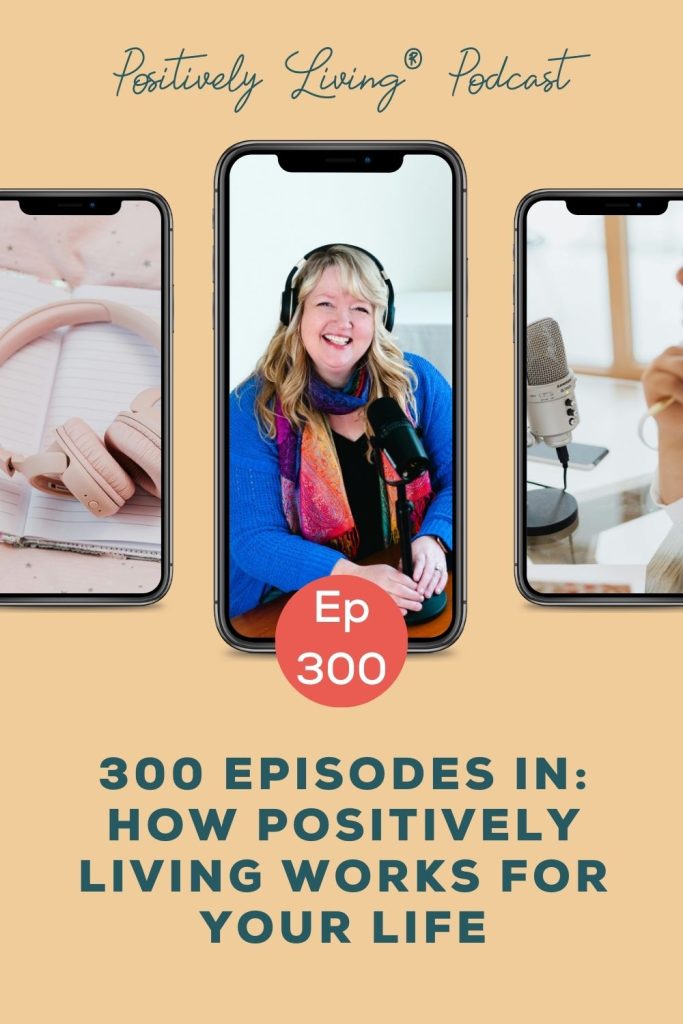
Recently, on the Positively Living Podcast, I hit a monumental milestone: 300 episodes. To celebrate, I stepped out of the interviewer’s chair and invited my long-time podcast manager, Alesia Galati, to host a special anniversary episode. Together, we looked back at the last few years of the show and the decade of work behind Positively Productive Systems.
The core of our conversation—and the heart of this blog post—is about something I call Shame-Free Productivity. It’s a person-first approach that prioritizes your capacity over your output.
The Problem with “Should”
One of the most common things I hear from high-achieving, multi-passionate entrepreneurs and caregivers is: “I should know better by now.” They feel shame because they have the tools, they’ve read the books, yet they still feel overwhelmed. This “should” is a form of shame-based productivity. It assumes that if you aren’t performing at 100% capacity every day, you are doing something wrong.
But life doesn’t work in a straight line. As I shared during the 300th episode, my own journey included a “dark night of the soul” moment involving caregiving for parents with Alzheimer’s and cancer while raising a family. I learned the hard way that you cannot “system” your way out of a nervous system collapse.
Understanding Your Capacity: The Nervous System Connection
Productivity isn’t just about your calendar; it’s about your biology. When we talk about being “productive,” we are often operating in a high-stress, “fight or flight” mode (the sympathetic nervous system). While this can help us meet a deadline, staying in this state permanently leads to chronic stress and physical illness.
The work we do on the Positively Living Podcast focuses on shifting into the “rest and digest” state (the parasympathetic nervous system). When you are calm and your nervous system feels safe, you actually have more cognitive capacity to solve problems and manage your time.
The Two-Minute Transition
One of the most actionable tips from our 300th episode is the Two-Minute Transition.
Most of us jump from a client call straight into answering emails, then immediately into making dinner. We never give our brains a chance to “reset.” By taking just 120 seconds to breathe—perhaps using a simple box breathing technique—you signal to your body that the previous “threat” (the work task) is over. This small act of self-care preserves your energy for the next task, preventing that mid-afternoon crash.
The Pillars of the Positively Living Philosophy
As we look toward the next 300 episodes, the mission of the show remains rooted in these three pillars:
- Flexibility and Permission: You have the permission to change your mind. Your productivity system should serve you, not the other way around. If a system feels like a straitjacket, it’s the wrong system.
- Intentional Slowness: It sounds counterintuitive, but slowing down is a productivity strategy. Driving without the radio on, leaving your phone in another room, or sitting in silence for five minutes allows your brain to process information. This “white space” is where your best ideas are born.
- Holistic Interconnectedness: Your task list is connected to your stress response, which is connected to your physical environment, which is connected to your financial mindset. You cannot fix one in a vacuum.
Moving from DIY to Supported Growth
For many years, the podcast has been a “DIY” resource—a place to listen and learn for free. And while that will always be a core part of what I do, reaching episode 300 made me realize how much our listeners crave deeper, personalized support.
Productivity is personal. What works for a neurotypical entrepreneur may not work for a caregiver or someone navigating ADHD. This is why I’ve expanded the ways we work together:
- Strategy Blueprints: For those who need a custom roadmap to clear the clutter (digital or physical).
- Accountability Coaching: Moving beyond the “what” to the “how” and “when,” providing that gentle nudge to keep moving forward.
- Voxer Coaching: Asynchronous support for the multi-passionate person who needs a coach in their pocket without the stress of another scheduled Zoom call.
Reflecting on the Journey
Reaching the top 3% of podcasts globally wasn’t an accident, but it also wasn’t the result of “hustle.” It was the result of consistency, community, and staying true to the message that you are more important than your to-do list.
When Alesia read listener reviews during the episode, one theme stood out: Relief. Listeners felt a sense of relief that they didn’t have to be perfect. They felt seen in their struggles as caregivers and business owners.
Your Next Steps
If you are feeling the weight of the “shoulds” today, I want to invite you to do three things:
- Listen to Episode 300: Hear the full conversation and the heartwarming reviews from listeners who have transformed their lives by embracing these principles.
- Perform a “Mind Sweep”: One of the most popular resources on our site is the Guided Mind Sweep. It’s a five-minute audio track where I walk you through decluttering your brain. It is the fastest way to lower your heart rate and gain clarity.
- Assess Your Core Values: Use our Productivity Toolkit to identify what actually brings you joy. Productivity is meaningless if it isn’t moving you toward a life you actually enjoy living.
You can find all of these resources at positivelyproductive.com/resources and the full podcast archive at positivelyproductive.com/podcast.Thank you for being part of this 300-episode journey. Whether you’ve been here since episode one or this is your first time reading, remember: you have the power to live a proactive, positive life—one breath and one transition at a time.